


Zoology Department of Digambarrao Bindu College Conducts Fluoride-Affected Drinking Water Survey in Bhokar Taluka
Bhokar, Nanded, Maharashtra | 13 October 2026
The Department of Zoology at Digambarrao Bindu College, Bhokar, in association with the Acadivate Research and Innovation Foundation (ARIF), conducted a field survey and drinking water sampling programme in Kolgaon and Diwasi villages of Bhokar Taluka, Nanded District. The initiative aimed to investigate concerns regarding elevated fluoride levels in local drinking water sources and document possible health-related effects among the affected communities.
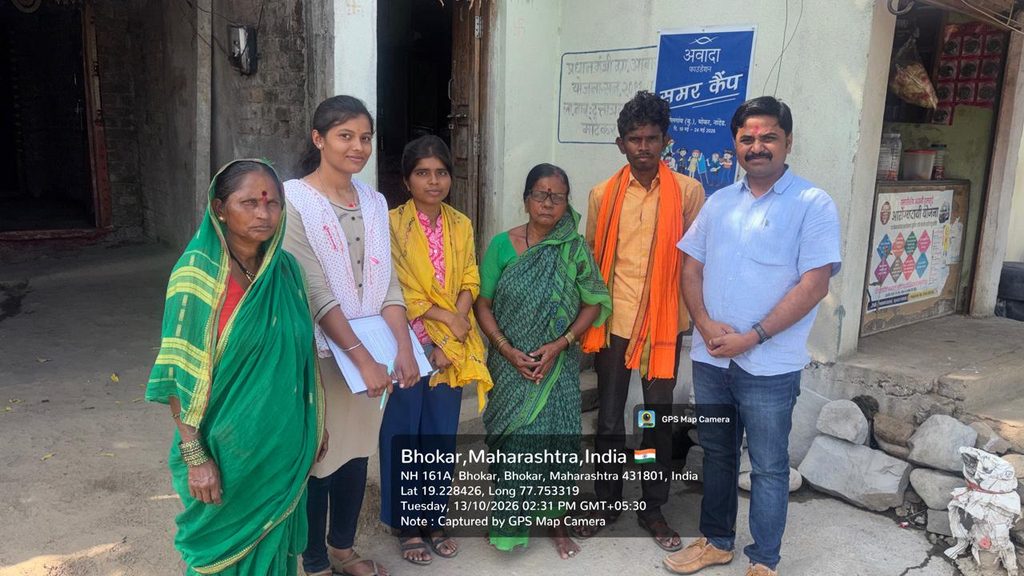
Photo 1: Faculty members, student volunteers, and local residents during the field survey and drinking water sampling programme in Bhokar Taluka.
Investigating Drinking Water Quality and Public Health
Access to safe drinking water is essential for maintaining public health. In certain regions, naturally occurring fluoride in groundwater can exceed recommended limits, potentially causing dental fluorosis and other health concerns following prolonged exposure.
Reports of suspected fluoride-related dental problems in Kolgaon and Diwasi prompted the research team to undertake a field investigation. The survey focused on identifying drinking water sources, collecting representative water samples, recording field observations, and interacting with local residents to understand their water consumption practices and concerns.
Faculty and Student Participation
The field investigation was led by Dr. Arvind Chavhan, Head of the Department of Zoology, with the active participation of Mr. Mukund Yegaonkar. Student volunteers Ms. Shradha and Ms. Shital Dongre contributed significantly to the survey activities.
The team visited households and examined commonly used drinking water sources, including wells, hand pumps, borewells, and other local water supply points. The student volunteers assisted in collecting water samples, documenting observations, identifying water sources, and interacting with villagers.
The photographs taken during the field visit also documented individuals displaying visible dental changes consistent with possible dental fluorosis. However, clinical confirmation and laboratory analysis are necessary to establish the causes of these observations.
Water Sampling and Scientific Analysis
Water samples collected during the survey will undergo physicochemical analysis to determine fluoride concentrations and evaluate the suitability of the sampled water for drinking purposes.
The findings will help establish a scientific understanding of the local water quality situation. The results may also support further investigation into the relationship between groundwater fluoride levels, drinking water consumption patterns, and observed dental health concerns.
The study emphasizes the importance of systematic water quality monitoring, accurate scientific documentation, and evidence-based interventions in communities where groundwater contamination is suspected.
Practical Learning Through Community-Based Research
The field survey provided valuable practical exposure to students of the Department of Zoology. By participating in field sampling and community interaction, the student volunteers gained experience in environmental monitoring, water quality investigation, scientific observation, and data collection.
Such initiatives bridge the gap between classroom learning and real-world environmental challenges. They also encourage students to develop research skills, social responsibility, and an understanding of the role of scientific knowledge in addressing community needs.
Emphasis on Safe Drinking Water and Community Awareness
Speaking during the programme, Dr. Arvind Chavhan highlighted the importance of regular drinking water quality assessment in areas where elevated fluoride levels are suspected. He emphasized that educational institutions can contribute significantly to public health awareness and environmental research by working closely with local communities and research organizations.
The initiative also underlines the importance of creating awareness about the potential effects of excessive fluoride exposure and the need to verify water quality through appropriate laboratory testing. Where elevated fluoride concentrations are confirmed, the findings can help guide recommendations for safer drinking water sources and suitable water treatment measures.
Collaboration for Environmental Research
The collaborative initiative undertaken by the Department of Zoology, Digambarrao Bindu College, Bhokar, and the Acadivate Research and Innovation Foundation reflects a commitment to community-oriented scientific research.
The survey is an important step towards documenting groundwater quality concerns in Kolgaon and Diwasi. The laboratory results, once available, are expected to provide a stronger scientific basis for further investigation, community awareness, and recommendations for improving access to safe drinking water.
Through such field-based activities, Digambarrao Bindu College continues to promote experiential learning, environmental awareness, and the application of scientific research to local community challenges.
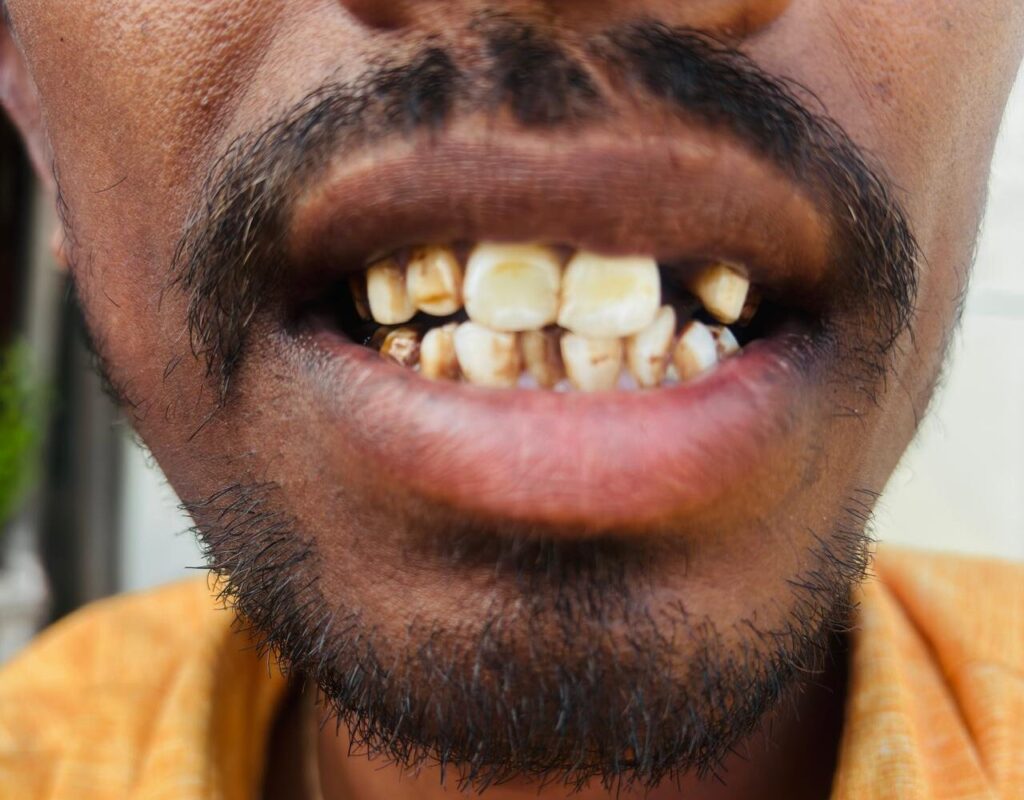
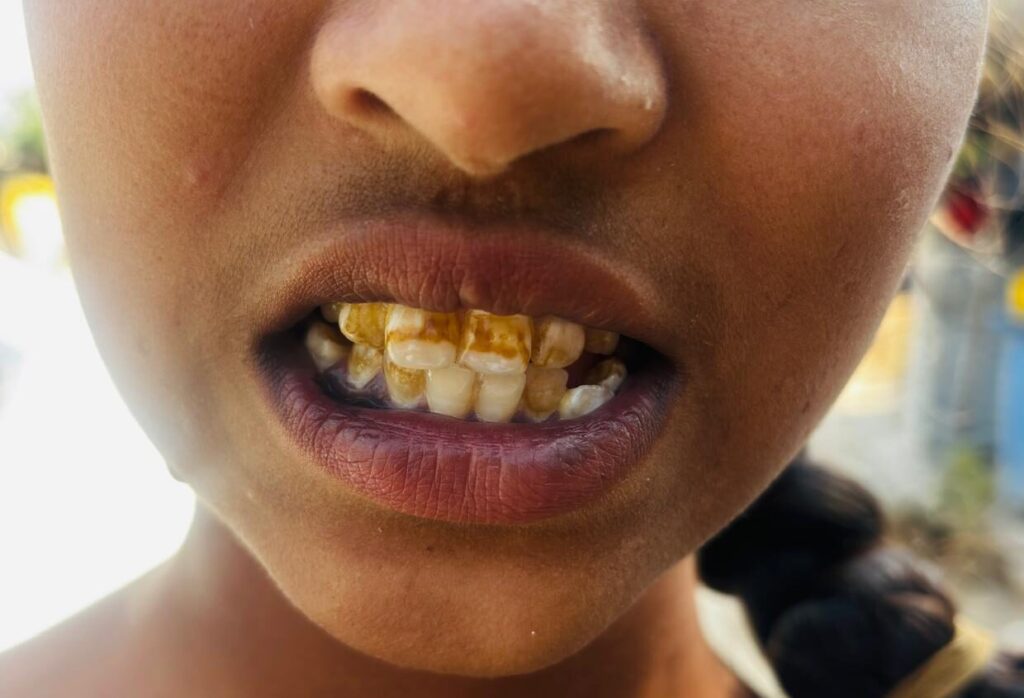
Photo 2: Field documentation of visible dental discoloration among a resident during the investigation of suspected fluoride-related health concerns.
Photo 3: Close-up documentation of dental discoloration to support field observations, pending appropriate clinical assessment.
Note: Photographs documenting dental conditions are included for research documentation and public health awareness. They should not be treated as a substitute for clinical diagnosis or laboratory confirmation of fluoride exposure.
About the Initiative
Organizing Department: Department of Zoology, Digambarrao Bindu College, Bhokar
Collaborating Organization: Acadivate Research and Innovation Foundation (ARIF)
Field Locations: Kolgaon and Diwasi, Bhokar Taluka, Nanded District, Maharashtra
Faculty Lead: Dr. Arvind Chavhan, Head, Department of Zoology
Participants: Mr. Mukund Yegaonkar, Ms. Shradha, and Ms. Shital Dongre
Keywords: Fluoride in drinking water, dental fluorosis, groundwater quality, water sampling, environmental research, Department of Zoology, Digambarrao Bindu College Bhokar, ARIF, public health awareness, Bhokar Taluka.